
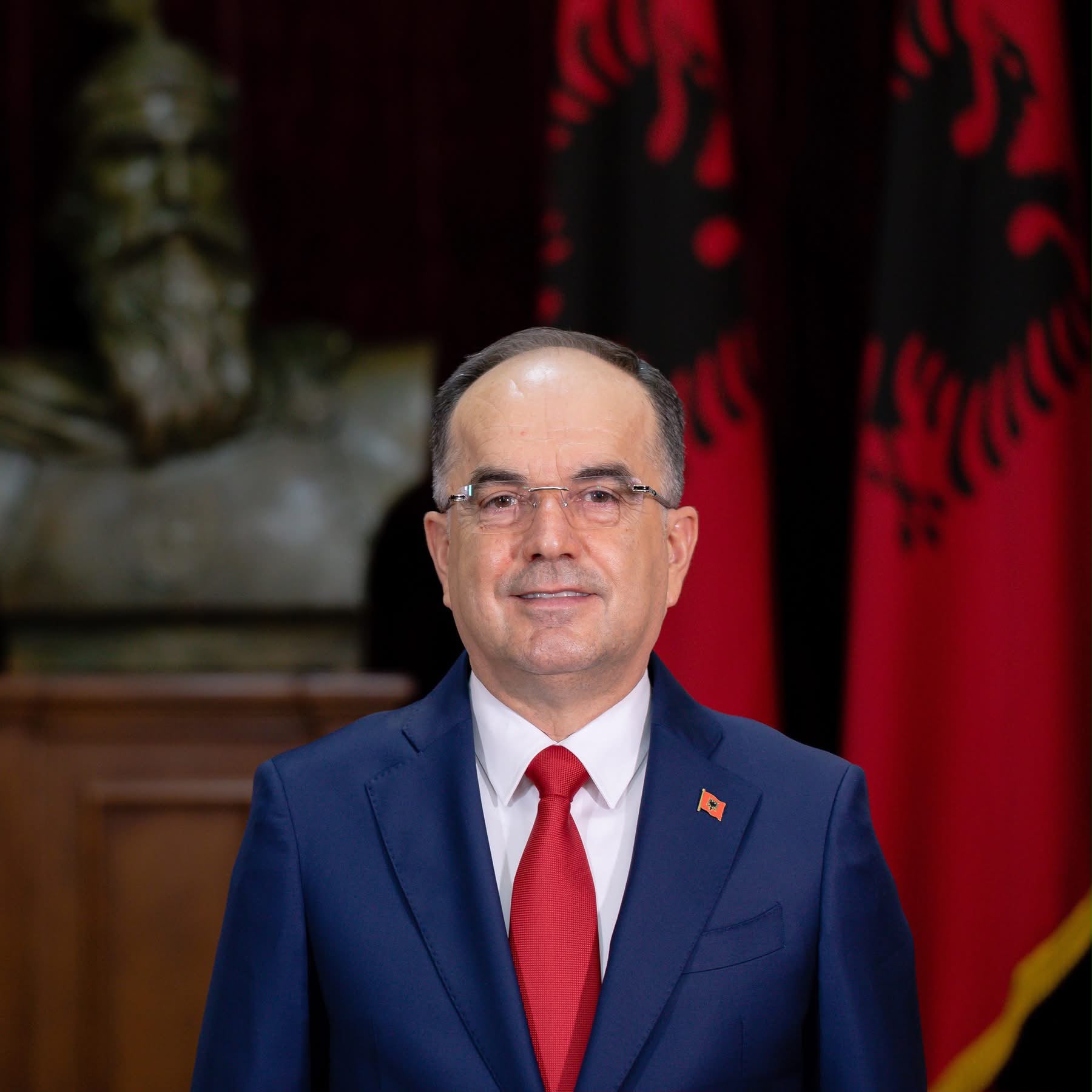
In a move that radically reshapes the country’s local government landscape, Albanian President Bajram Begaj has officially signed a decree enacting a highly contested administrative-territorial division law.
The presidential decree, signed on Saturday, October 31, 2026, codifies a sweeping legislative overhaul that collapses the country’s local administration from 61 down to 46 municipalities. The controversial map passed through parliament in the early hours of October 9 following a grueling, 14-hour marathon debate. The ruling Socialist Party (SP) secured 85 votes in favor—just crossing the 84-vote high-majority threshold required for structural constitutional changes—while 34 opposition lawmakers voted against.
The promulgation sets a definitive legal and geographical framework for Albania’s highly anticipated local elections, which President Begaj officially decreed would take place on May 9, 2027.
Redrawing the Balance of Power
The government, led by Prime Minister Edi Rama, has staunchly defended the consolidation. Proponents argue that the former grid of 61 municipalities, drawn up over a decade ago, no longer aligns with Albania’s shifting demographic and economic realities. Under the new legislation, 15 smaller local government units will be dissolved and absorbed into larger hubs. Towns like Divjakë, Patos, Poliçan, and Përrenjas will lose their independent municipal statuses, councils, and mayoral seats, transitioning into administrative units under expanded municipal umbrellas.
While the ruling majority promises that larger municipal units will drive efficiency and optimize local budgets, critics raise serious concerns about local autonomy. Opponents warn that the consolidation risks isolating rural populations, cutting peripheral communities off from direct access to essential public services, and undermining local representation.
Tensions Boil Over
The passage of the bill has been defined by fierce political and civil resistance. The parliamentary session on October 9 devolved into chaos as opposition MPs attempted to block the final vote, hurling water bottles at government benches amid shouting matches. Outside the parliament building, hundreds of citizens clashed with law enforcement, resulting in the deployment of riot police and the arrest of at least eight demonstrators.
The friction extends deeply into electoral strategy. The opposition, spearheaded by the Democratic Party (DP), has labeled the geographic contraction a “unilateral” and politically motivated gerrymandering scheme designed to favor the ruling socialists in the upcoming 2027 local ballots. The DP had previously countered with an alternate draft proposing an expansion to 100 municipalities to keep local governance closer to citizens.
Next Stop: The Constitutional Court
With President Begaj choosing to sign the decree silently without a public address or formal defense of the map, the next stage of this battle shifts to the judiciary.
The Democratic Party has formally announced that it is preparing to mount an immediate legal challenge against the new territorial map in Albania’s Constitutional Court. The impending court battle leaves local election organizers and political parties in a race against time, navigating an altered map with the shadow of a constitutional review hanging over the May 2027 ballot boxes.

