
In one of the most direct statutory interventions into pre-trial detention management in recent years, Chinese lawmakers are moving to codify a hard 48-hour limit for defense attorneys seeking physical meetings with detained clients.
While a 48-hour guidelines existed for standard offenses in previous iterations of China’s code, the new 2026 draft explicitly tightens accountability measures for institutional non-compliance. Under the proposed rules, detention facilities must clear bureaucratic hurdles and arrange face-to-face or secure consultations within two days of a formal request. Furthermore, the draft legally mandates that investigating authorities actively update defense counsel on critical evidence milestones and major procedural breakthroughs throughout the investigation.
Legal professionals view the rigid deadline as a vital mechanism to prevent investigative overreach during the vulnerable early days of a suspect’s custody. “Lawyers must strictly adhere to the updated legal procedures to protect client interests while maintaining unwavering professional integrity,” noted Xu Hao, a criminal defense lawyer at the Beijing Jingsh Law Firm, adding that the draft paired this access with stricter guidelines on how attorneys manage property-related defenses and handle evidence.
Closing the Early-Stage Defense Gap
The 48-hour visitation rule is part of a broader push to expand the presence of defense counsel long before a case reaches a trial docket.
Currently, indigent suspects or those facing serious charges frequently navigate initial, critical interrogations without professional representation. The draft amendment seeks to fundamentally close this gap by expanding mandatory, state-subsidized legal aid. Under the new articles, if a suspect faces a potential prison sentence of three years or more and has not privately retained a lawyer, public prosecutors are legally obligated to ensure that a state legal aid agency appoints defense counsel during the early review and prosecution phases.
Legal experts point out that this structurally pushes legal representation backward into the earliest entry points of the state’s criminal justice pipeline. Additionally, the draft extends aid eligibility to the victims of crimes and their close relatives if financial hardships prevent them from independently securing legal counsel.
Shifting Criminal Dynamics Driving the Bill
The sudden legislative push comes during a unique transitional period for domestic law enforcement. According to Ministry of Public Security statistics, serious violent crimes and heavy sentences have entered a steady, decade-long decline, with total criminal cases nationwide dropping by 12.8% in 2025 alone.
However, the nature of crime has shifted. Lawmakers emphasize that minor offenses, cross-border telecom scams, internet-facilitated fraud, and international commercial disputes are rising sharply. Because China’s “Plea Leniency” system—which offers reduced sentences for early confessions—now accounts for roughly 85% of all criminal cases, the vast majority of standard offenses are resolved before ever reaching an open courtroom. The 2026 amendment is engineered to heavily regulate this massive volume of pre-trial activity, ensuring efficiency without sacrificing baseline procedural justice.
Redefining Pre-Trial Rights, Assets, and Vulnerable Populations
Beyond lawyer-client access, the 55-article framework introduces highly specific mechanisms to reform several adjacent areas of the justice system:
• Presumption of Innocence Protections: The draft narrows the legal grounds used to justify pre-trial detention, implementing stricter statutory limits on “compulsory measures” like residential surveillance and formal arrest. Authorities will now be required to explicitly prove that a suspect poses an active flight, collusion, or safety risk, shifting the legal default away from custody and toward pre-trial release.
• Asset Seizure and Corporate Protections: To protect businesses from aggressive financial investigations, the amendment establishes clear boundaries for sealing, distraining, and freezing property. It introduces tight administrative oversight to separate personal lawful property from illicit asset gains, preventing investigators from freezing an entire corporate operation when only a specific portion is under investigation. It also mandates strict timelines for property reviews, requiring the immediate release of unrelated assets.
• Juvenile Justice Safeguards: Recognizing the acute psychological vulnerability of minors, the amendment demands that investigators complete interviews with juvenile victims or witnesses within a single, comprehensive session to eliminate the “secondary trauma” of repetitive questioning. Non-negotiable statutory walls are also established to shield juvenile identities, schools, and families from public court registries and press records.
• Foreign-Related Case Uniformity: Driven by cross-border business and cybercrime, the draft sets uniform baselines for foreign nationals facing indictment within China. It codifies standardized timelines for consular notifications, reinforces language interpretation rights, and guarantees that non-Chinese citizens receive identical access to evidentiary tracking and the 48-hour lawyer meeting mandates.
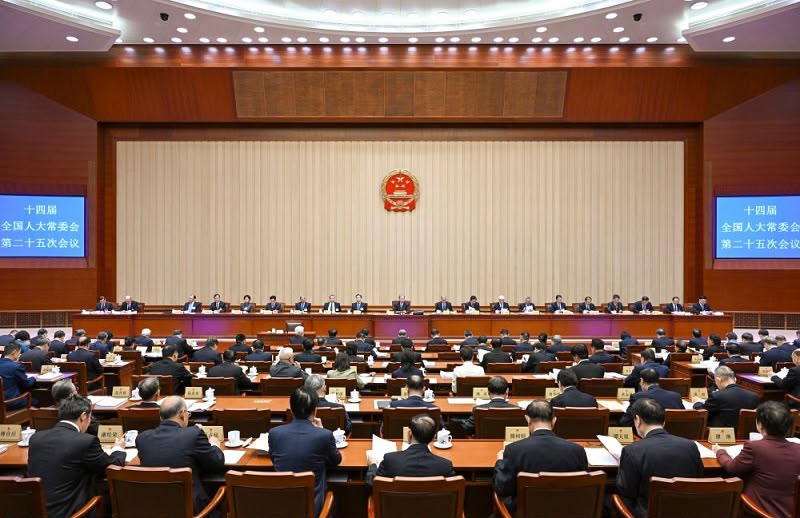
The draft amendment is currently undergoing its first-reading review by the NPC Standing Committee. Following the conclusion of the current bimonthly legislative session, the text is expected to be released to the public for institutional and civil feedback before moving toward subsequent readings and final ratification.