
In a decisive legislative push, the Mexican Congress has passed the Digital Economy Law for Digital and Electronic Payments, marking a major turning point in the country’s economic history. By a vote of 73–34, the Mexican Senate granted the Ministry of Finance (Secretaría de Hacienda y Crédito Público, or SHCP) the unprecedented authority to completely ban cash transactions in designated strategic sectors.
With gas stations and highway tollbooths squarely in the crosshairs, the law is aimed directly at dismantling tax evasion, money laundering, and the informal economy. However, as the bill awaits the signature of President Claudia Sheinbaum to become official law, a fierce debate is brewing over financial inclusion, cybersecurity infrastructure, and the erosion of transactional privacy.
The Mechanics of the Cash Ban
The primary objective of the Digital Economy Law is to shift cash-heavy, low-traceability transactions into a permanent, auditable digital ledger. Under the new framework, the SHCP holds the power to mandate that all payments within targeted industries be executed exclusively through electronic means.
[Presidential Publication in DOF]
│
▼ (Within 15 Working Days)
[SHCP Lists Strategic Sectors] (e.g., Gas Stations & Tolls)
│
▼ (Within 15 Working Days)
[Regulators Issue Operational Rules & Enforcement Guidelines]
Approved Payment Methods
When the regulations take effect, consumers in designated sectors will be restricted to:
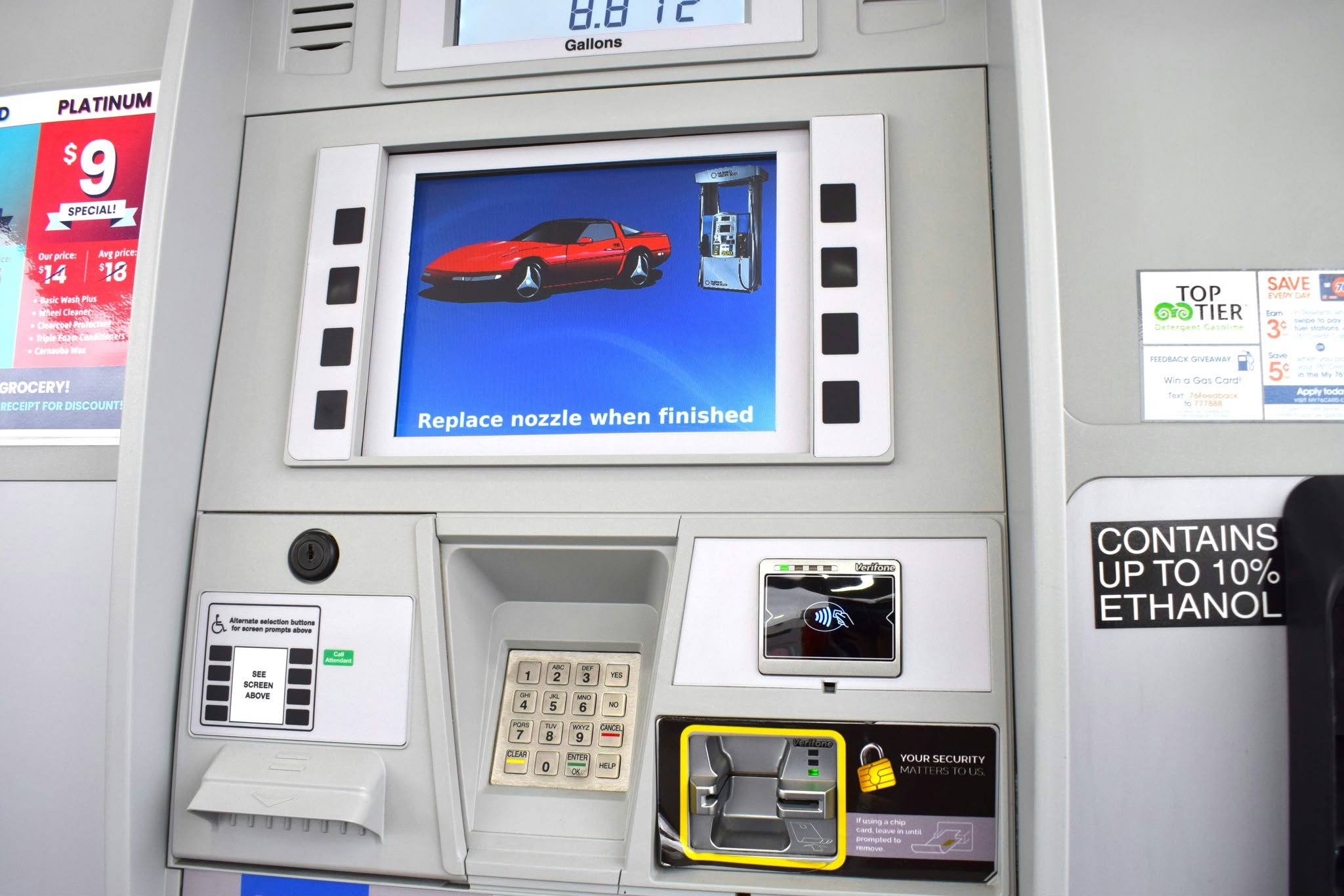
• Plastic: Credit and debit cards (Visa, Mastercard, Carnet).
• Mobile & QR: Contactless mobile wallets (NFC) and QR-code systems powered by the Bank of Mexico’s Interbank Electronic Payment System (SPEI).
• Automated Tags: Electronic toll identifiers (such as IAVE or Pase) for highway networks.
The Emergency Escape Clause
Recognizing the vulnerability of digital networks, lawmakers included a critical exception: physical cash or checks will remain legally valid only during an active, verifiable digital network or power outage. Once connectivity is restored, digital-only mandates immediately resume.
Why Target Gas Stations and Tollbooths?
Mexico’s economy remains deeply reliant on physical currency, with roughly 80% of daily transactions nationwide occurring in cash. Gas stations and highway toll networks handle massive volumes of paper currency every day, making them prime targets for tax leakages and illicit financial flows.
Metric / Feature The Old Paradigm (Current) The Digital Economy Law Framework
Primary Payment Medium Cash dominant (~80% of fuel & toll sales) Mandatory digital (Cards, QR, Tags)
Traceability Low; high risk of underreported revenue 100% auditable via electronic banking rails
Enforcement Mechanism Voluntary merchant adoption of card readers Strict SHCP penalties for accepting physical bills
Transactional Overhead High risk of physical theft, cash transit costs High banking interchange fees for small merchants
By digitizing these specific touchpoints, the government can instantly track millions of transactions, ensuring that Value Added Tax (IVA) and Special Tax on Production and Services (IEPS) on fuel are fully captured.
Traps, Fine Print, and Structural Hurdles
While the law promises a modernized economy and boosted tax revenues, financial analysts and human rights advocates have raised red flags regarding its real-world implementation.
1. The Financial Inclusion Gap
A large portion of Mexico’s population remains unbanked, particularly in rural and marginalized communities. Forcing digital-only payments at tollbooths could effectively cut off rural drivers from primary highway infrastructure if they do not possess a bank account or a digital wallet.
2. Infrastructure Vulnerabilities
For the law to function seamlessly, gas stations and toll plazas require uninterrupted internet access. In many parts of Mexico, cellular and broadband coverage is notoriously unstable. Merchants fear that frequent connection drops will trigger the law’s emergency cash exceptions so often that it will disrupt daily operations.
3. Cybersecurity and Privacy Concerns
Financial experts are deeply concerned about the banking sector’s readiness to handle the sudden, massive influx of digital data. The law introduces incredibly strict cybersecurity demands—including a 24-hour breach notification window and end-to-end database encryption. If a major payment processor suffers an outage or a hack, a strategic sector could paralyze instantly. Furthermore, privacy advocates warn that turning everyday transit and fueling habits into government-tracked data represents a significant expansion of state surveillance over private citizens.
What Lies Ahead?
The bill has cleared both the Chamber of Deputies and the Senate, leaving its implementation entirely dependent on its publication in the official gazette (Diario Oficial de la Federación, or DOF).
Once President Sheinbaum signs the decree and it hits the DOF, the clock starts ticking. The SHCP will have just 15 business days to publish the finalized list of banned cash sectors, forcing millions of motorists and thousands of businesses to rapidly adapt to a cashless reality.