The Council of the European Union has enacted its most sweeping escalation of economic warfare against the Russian Federation since the conflict began. In a coordinated effort to fundamentally disable Moscow’s weapons production, the EU has added 1,569 individuals and entities to its asset-freeze and travel-ban blacklists under Regulation (EU) 269/2014.
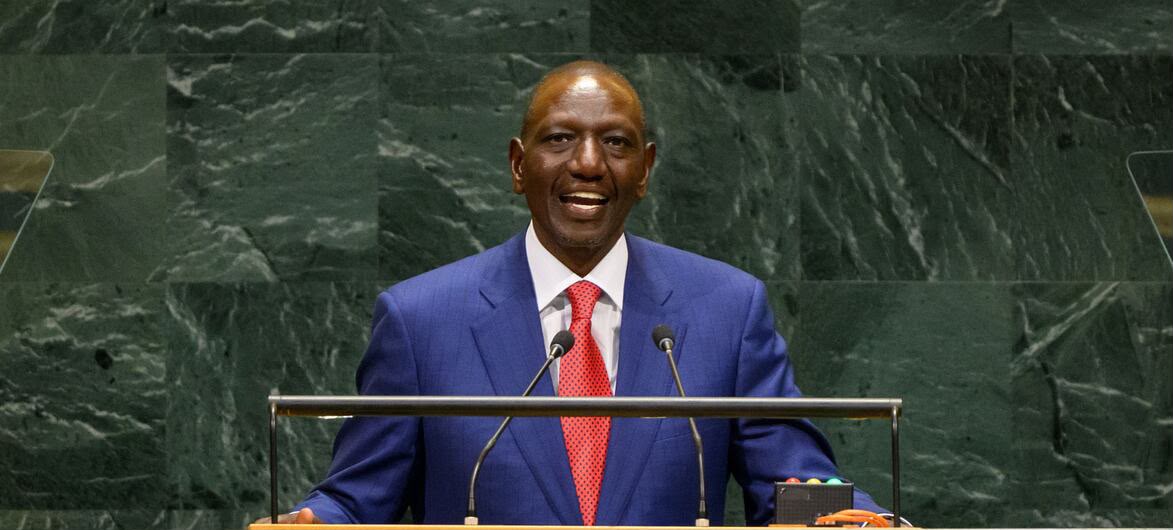
The monumental 22nd sanctions round targets the mid-level suppliers and decision-makers serving at the absolute core of Russia’s defense sector. EU High Representative for Foreign Affairs and Security Policy, Kaja Kallas, characterized the measures as a decisive, unified strike: “This is the single largest expansion of our sanctions list since Russia started its war”.
Deep Cut into the Supply Chain
Rather than focusing solely on frontline military leadership, the Council of the European Union designed this package to systematically dismantle the corporate infrastructure behind the weaponry striking Ukrainian civilian centers. The new restrictions target 826 Russian companies alongside 743 of their Chief Executive Officers (CEOs).
The targeted corporate network represents a massive industrial ecosystem, collectively generating an annual turnover exceeding €20 billion and employing more than 250,000 personnel.
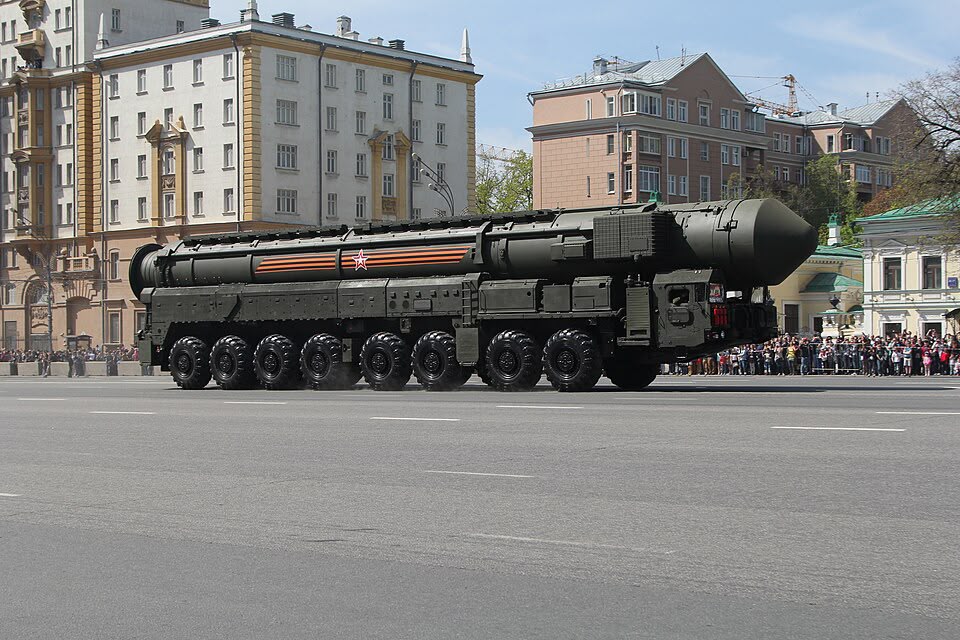
According to EU intelligence officials, more than half of the new designations directly disrupt the production chains for ballistic missiles and unmanned aerial vehicles (UAVs). The micro-targeted categories include:
* Electronics & Hardware: Strategic suppliers of semiconductors, microcircuits, specialized computers, and transceivers.
* Navigation & Aerospace: Manufacturers overseeing satellite communication networks, aviation gear, advanced radars, and antennas.
* Ammunition & Explosives: Facilities responsible for the high-yield compounds and optical guidance systems fueling Russian artillery.
High-Profile Executives Swept Into the Net
The blacklisting of 743 corporate chiefs means that many prominent figures in Russia’s strategic technology sector are now facing strict travel bans and asset freezes throughout the European single market. Among the notable additions confirmed by the Delegation of the European Union are:
* Mikhail Budnichenko: Director General of Sevmash, Russia’s premier shipyard tasked with constructing next-generation nuclear submarines.
* Igor Vilnit: Head of the Rubin Design Bureau, a vital developer of maritime strategic missile platforms.
* Dmitry Avtaikin: Chief executive of Russian Space Systems, which facilitates the orbital telemetry and navigation utilized by long-range missiles and drone strikes.
* Igor Yanakevich: Director General of Aquarius, a critical technology hardware conglomerate providing IT infrastructure to Russia’s state intelligence apparatus.
Total Count Approaches 4,600
This historic rollout pushes the total number of EU-sanctioned individuals and entities under the Ukraine territorial integrity framework to nearly 4,600 designations.
The geopolitical ripple effects are already being closely monitored outside of Europe’s borders. International legal compliance watchdogs have highlighted that while this package exclusively names Russian nationals and operations, its extensive coverage of microcircuitry and components signals a strong warning to third-country intermediaries, such as tech exporters in India, Turkey, and China, that look to circumvent Western restrictions.
A coalition of non-EU nations, including Albania, Norway, Iceland, and Ukraine, have formally aligned their national policies to mirror the Council’s decree, ensuring an airtight application of the financial blockade across the European continent.