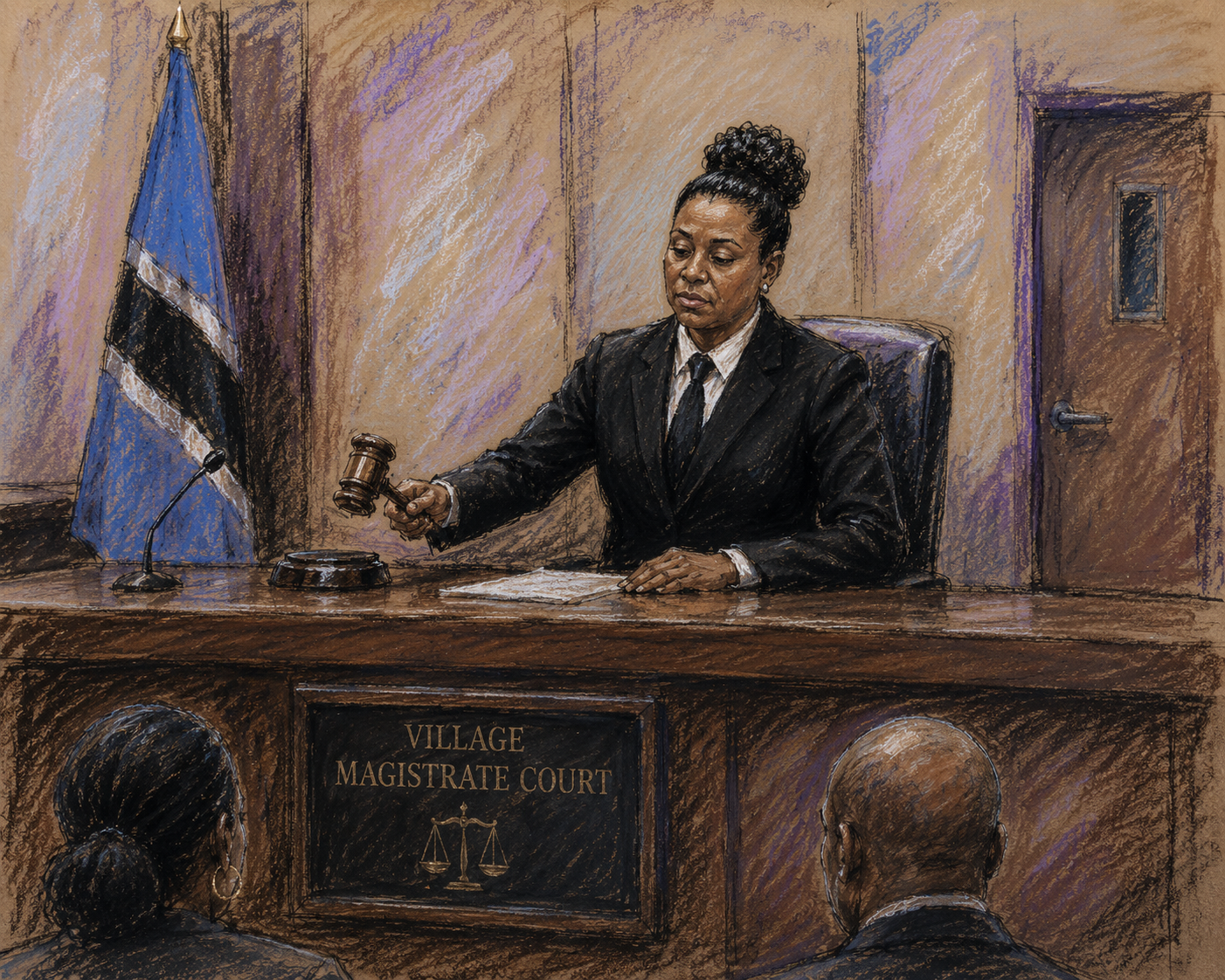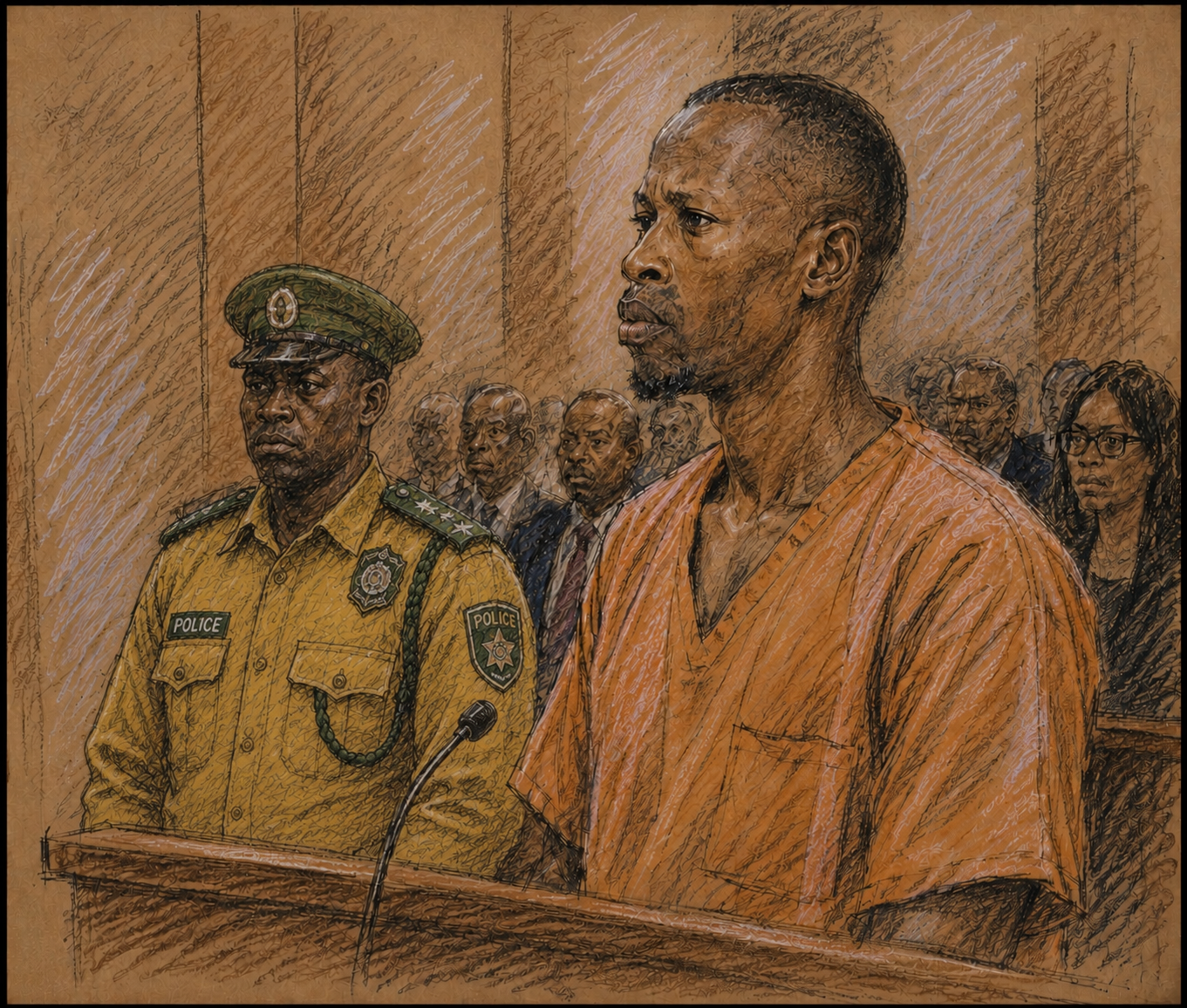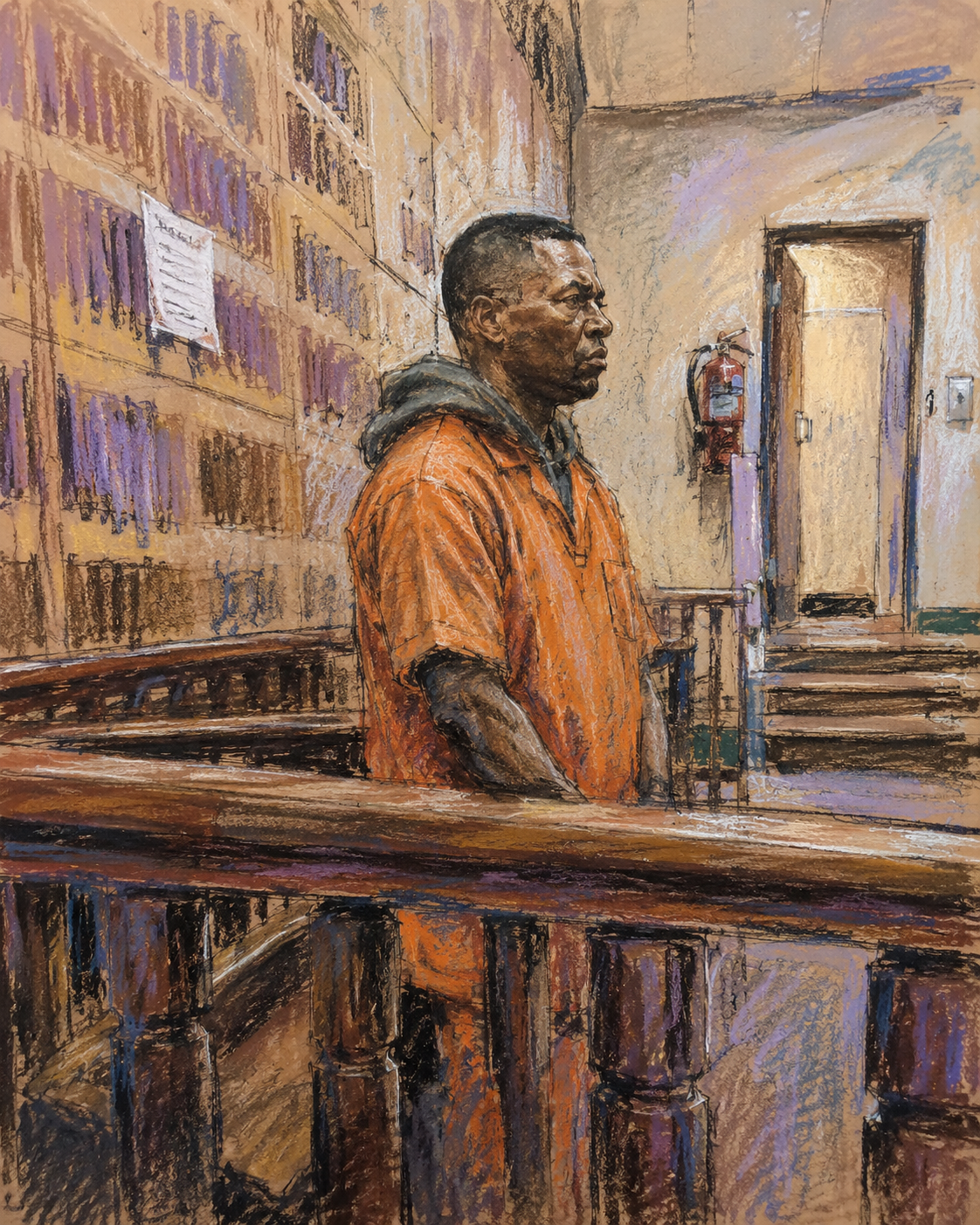

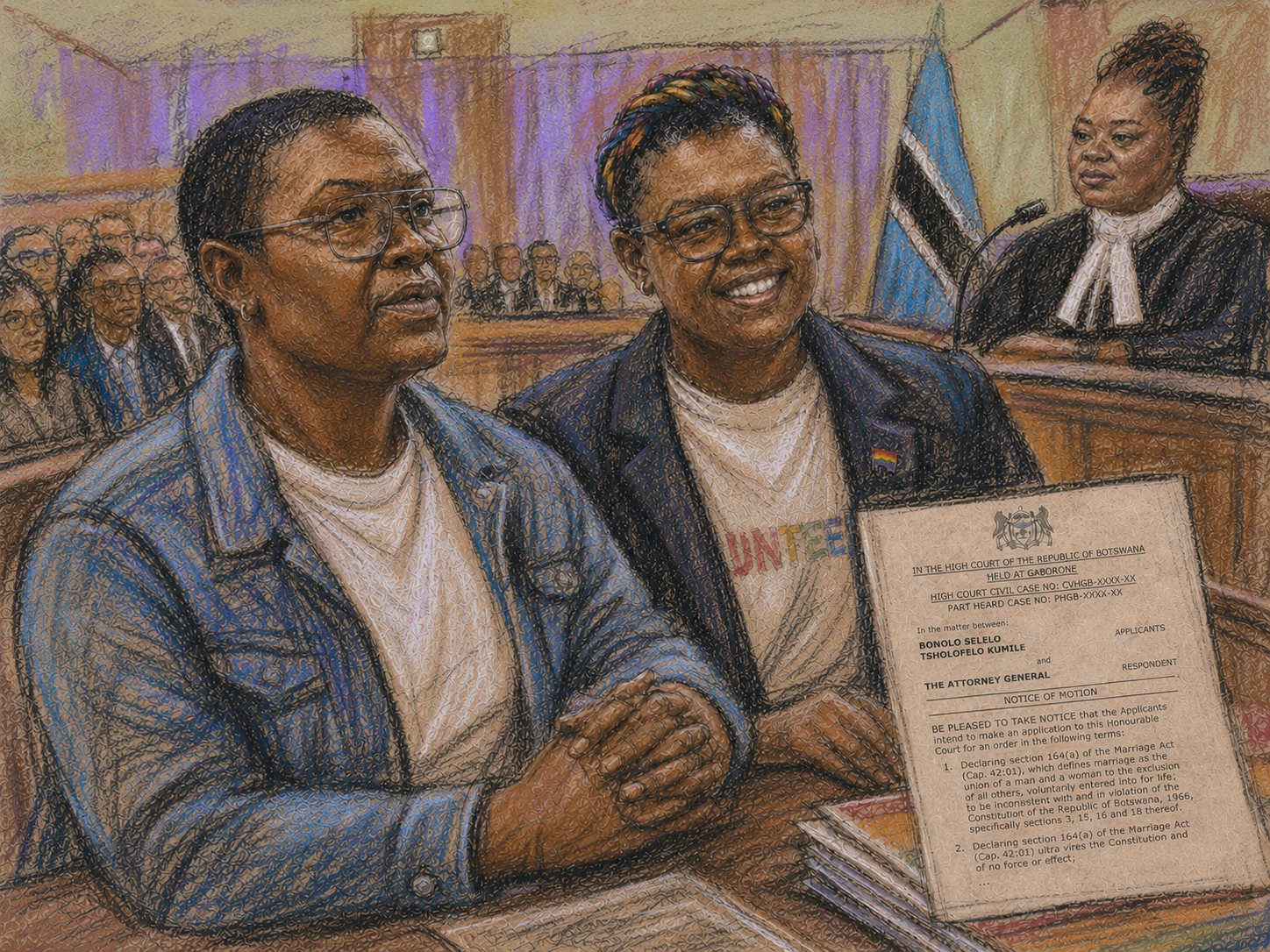
Bonolo Selelo and Tsholofelo Kumile filed a constitutional challenge in the Gaborone High Court arguing that Botswana’s Marriage Act unlawfully prohibits same-sex marriage in December 2025. Later hearing was held on 6 February 2026. There has come amongst the heated debate around the need to for a new Constitutional Court with its referendum still ongoing. While Botswana recognizes three forms of marriage, civil, customary, and religious, it does not acknowledge same-sex unions. Human rights advocates and scholars argue this exclusion violates fundamental rights. Despite the decriminilization of same-sex relations in 2019, same-sex marriage is not legally recognized in Botswana, and the Marriage Act does not provide for it.
The couple disclosed that their marriage began in October 2023 and were engaged a year later. The then planned to formalize their union through a civil marriage under the marriage act. In April, accompanied by two witnesses, the couple approached the Department of Civil and National Registration and were denied and subsequently informed that their union is not permitted under Botswana Law.
Officials suggested that they consider marrying in South Africa, as this is often the advice given to other same-sex couples under similar cases. The couple contends that marring in South Africa would not grant them the same recognition and protections within Botswana.
Botswana’s Marriage Act No. 18 of 2001, Chapter 29:01, mandates registration of all marriages within the country, except those contracted under customary law or religious rites such as Muslim or Hindu ceremonies
The Argument Against
Churches are opposed to the move promoting gay rights. Pastor Abraham Kedisang and Apostolic Faith Mission, a church that issued a statement denouncing the effort to amend the constitution.
“As the AFM Botswana, we express our grave concerns regarding the tabling and ultimate debate by parliament of these proposed amendments without the benefit of the people’s engagement and contribution,” Kedisang said. “These provisions portend grave threat for our Christian way of life, our democracy and, indeed, our republic as we have known it over the many decades.”
Kgosi Kebinatshwene Mosielele of the Bahurutshe tribe confirmed in an interview that Botswana’s customary law does not recognize same-sex marriages.
“Same-sex marriage is not recognized by our culture; we don’t even have the roles clear for that arrangement. For instance, it is a norm that a man pays a dowry for the woman. Same-sex marriage does not exist in Setswana culture. If it does become a law, then it should have roles prescribed; Patlo and Magadi, for instance,” Mosielele said. He also contended that since same-sex marriage falls outside traditional law and norms.
In 2023, following a parliamentary debate on a bill to decriminalize same-sex relations, Evangelical Fellowship Botswana submitted a petition opposing such reforms. They warned that legalizing same-sex relationships would unleash “floodgates of immorality and abomination,” including same-sex marriage and changes to school curricula promoting those practices.
The Argument For
Same-sex relationships remain criminalised in the majority of countries in Africa. Yet recent years have seen a surge of new policy efforts in several regions to stifle members of the LGBTQIA+ community and allies
In March 2024, Kabo Morawaeng, Botswana’s Minister for State President, introduced a constitutional amendment bill which includes new protection against discrimination for all demographic groups the Constitution. Section 13 of the bill provides the grounds of protection from discriminination on the basis of a person’s “race, tribe, place of origin, political opinions, color, creed, disability or sex”
Lindsay Gus, in her Tulane Journal of International Affairs paper, “Legalizing Same-Sex Marriage: An Obligation Not a Decision,” asserts:
“While states’ laws that deny same-sex couples the opportunity to legally marry are discriminatory, does international human rights law provide for the right of gay and lesbian couples to marry? International human rights law creates a universal right to marriage that includes gay and lesbian couples and denying same-sex couples this right is a clear violation.”
Further, Article 8 of the Southern African Development Community (SADC), which Botswana ratified in May 2017, requires member states to address emerging gender concerns and enact measures ensuring equal rights and partnership status for women and men in marriage. The argument is further supported through the precedent of the 2021 landmark decision of Attorney General of Botswana v Letsweletse Motshidiemang,in which the Court of Appeal upheld a High Court judgment decriminalising same-sex relations. Botswana High Court ruled unanimously that sections 164(a), 164(c), 165, and 167 of the Penal Code, which criminalized same-sex acts, were unconstitutional.
Importantly in that case, the High Court overturned the 2003 Kanane v State decision. In Kanane the Court held that gay men and women did not represent a class that required protection under the Constitution. In Motshidiemang, the Court stated that “time has come that private same sexual intimacy between adults must be decriminalised”. It also held that the criminalising provisions “oppress a minority and then target and mark them for an innate attribute that they have no control over and which they are singularly unable to change”.
The Lesbians, Gays, and Bisexuals of Botswana (LEGABIBO) regards the Selelo & Kumile case as a natural extension of Botswana’s evolving constitutional jurisprudence. They highlight the Motshidiemang judgment, which affirmed sexual orientation as a protected characteristic under the Constitution and upheld LGBTQIA+ people’s rights to dignity, equality, and freedom from discrimination. They make the arguement that the Motsidiemang case is precedent for the legitimacy of same-sex status in Botswana.
Conclusion
In conclusion, one could reasonably argue that same-sex marriages are foreign to traditional norms as well as Botswana’s customary law. On the other hand one could argue that restricting the ability of Sam-sex couples to marry directly conflicts with their ight to non-discrimination. Botswana opened the doors to such debate following their decriminalization of same-sex relations in 2019, and as a result, it seems only inevitable that same-sex marriages are decriminalized as well. As Botswana grapples with these challenges, the outcome of the Selelo & Kumile case could mark a defining moment in the nation’s ongoing quest for equality and justice