
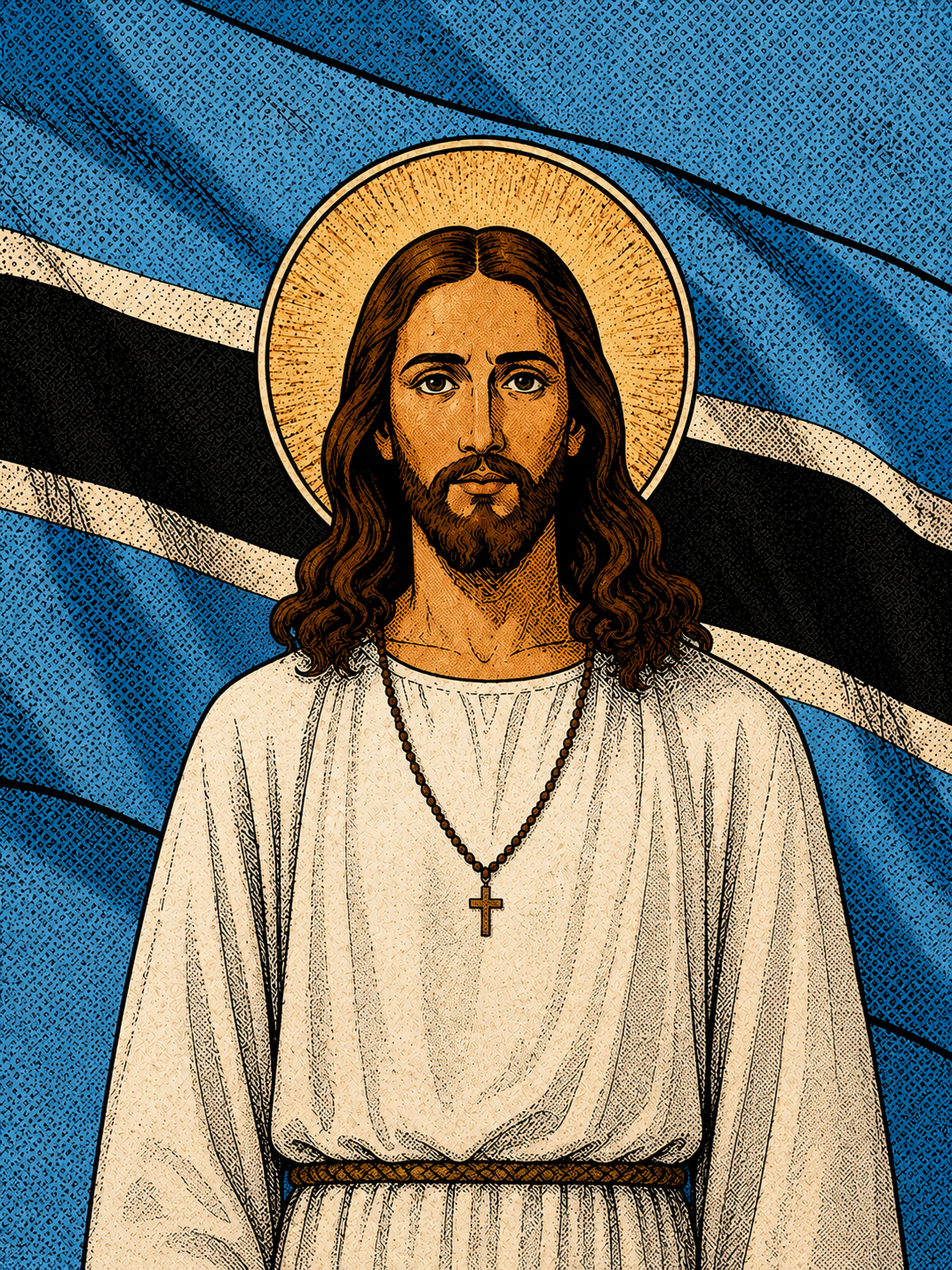
Botswana is commonly defined as a secular state, meaning religion is formally separated from government decision making and law making. This separation is intended to ensure equality and impartiality in the development of laws and public policy, especially in a country where not all inhabitants adhere to the same religious beliefs. Secularism ensures that legislation is guided by constitutional rights and not religion.
Section 11 of the Constitution guarantees every individual the freedom of thought, conscience, and religion, including the freedom to change their religion or belief and to manifest it through practice and worship. By protecting this freedom, the Constitution implicitly requires the state to maintain neutrality in matters of religion so that no particular belief system is favoured in the governance of the country.
However, the practical reality raises an important question: to what extent is religion truly separate from decision-making in Botswana? While the law promotes neutrality, religion continues to play a visible role in public life. Political leaders often invoke religious language, and public debates on moral or social issues are frequently shaped by religious perspectives.
A clear example of this can be seen in the ongoing debate surrounding same-sex marriage. Although Botswana has made notable legal developments regarding the rights of LGBTQ+ individuals, the question of recognising same-sex marriage remains highly contested. Churches and religious organisations have been particularly vocal in opposing the idea, with several religious groups publicly protesting and expressing strong resistance based on their religious beliefs about marriage and morality. Their position reflects the deeply rooted influence of religion within society and its ability to shape public discourse on legal reform.
Religious organisations have even approached the courts to oppose the recognition of same-sex marriage, raising the question of how a state that is constitutionally secular can allow arguments grounded solely in religious belief to influence legal discourse. This situation illustrates the ongoing tension between Botswana’s commitment to secular governance and the strong presence of religion in public decision making.
While religious groups have the constitutional right to express their views, the debate raises an important question about how much religion should influence public policy in a secular state. If decisions about people’s rights are based mainly on religious beliefs, there is a risk that the principles of equality and neutrality that support secularism may be weakened.
This highlights the complexity of maintaining a clear separation between religion and governance in a society where religion forms a significant part of cultural and social identity. The challenge for lawmakers is to ensure that while citizens remain free to practise and advocate for their beliefs, those beliefs do not ultimately dictate laws that apply to the entire population.
In this regard, the debate surrounding issues such as same-sex marriage serves as an important reminder that secularism is not simply a constitutional label. It is a principle that must be actively upheld in order to ensure that Botswana’s legal system continues to reflect the rights and freedoms of all its citizens. The question is not whether religion exists within society, it clearly does, but whether the legal and political structures of the state are capable of maintaining the neutrality that secularism demands.
Religion will always have a place in society, but the law must belong to everyone. For Botswana to remain truly secular, its courts and lawmakers must ensure that constitutional rights, rather than religious convictions, remain the foundation of decision-making.